
Optimal Timing for Storm Restorations
Storm restorations are most effective when performed promptly after severe weather events. Timing is crucial to prevent further damage and to ensure the structural integrity of affected properties. The optimal window for storm restorations typically occurs during dry seasons or periods with stable weather conditions, allowing for safe and efficient repairs.
Conducting damage assessments immediately after a storm helps prioritize repairs and reduce long-term costs.
Dry and calm weather provides the safest environment for restoration work, minimizing delays and safety risks.
Spring and early summer often offer the best conditions for storm restorations due to milder weather patterns.
Rapid response following storms can mitigate secondary damages such as water intrusion and mold growth.
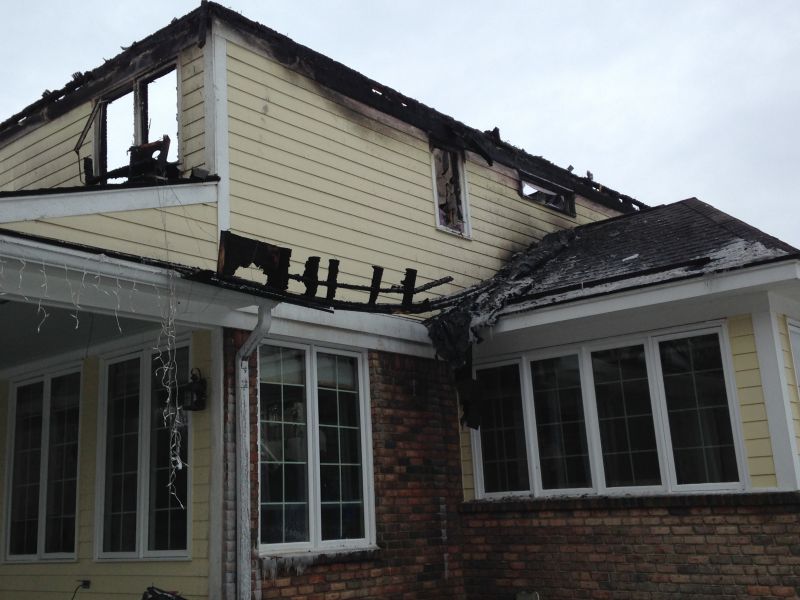
Inspecting roofs and exteriors after storms to identify immediate repair needs.
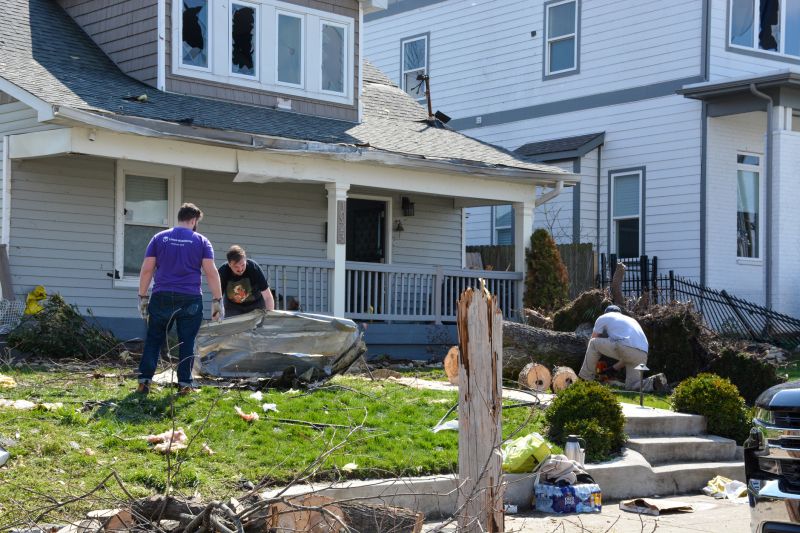
Temporary fixes to prevent further damage during adverse weather conditions.
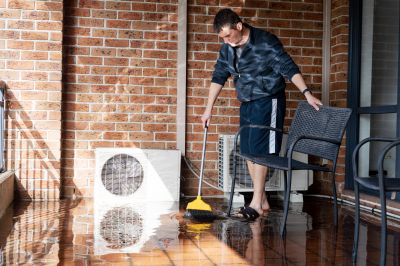
Scheduling repairs during favorable weather for optimal results.

Ways to make Storm Restorations work in tight or awkward layouts.
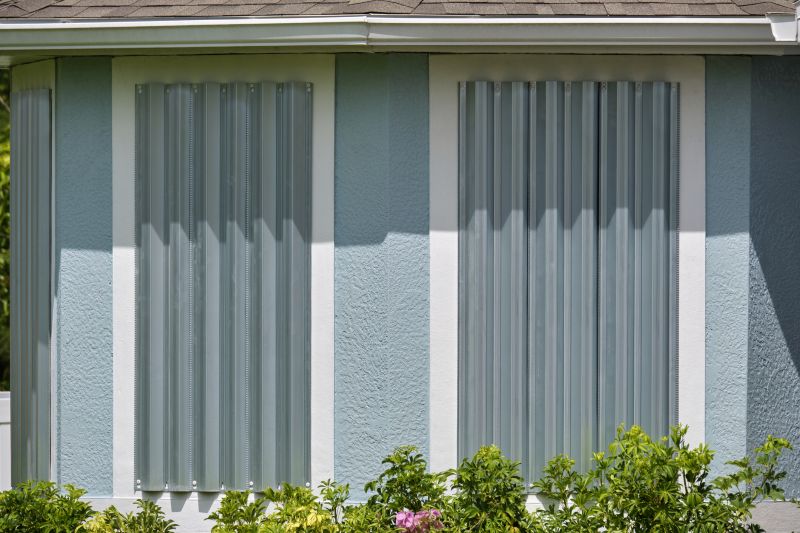
Popular materials for Storm Restorations and why they hold up over time.

Simple add-ons that improve Storm Restorations without blowing the budget.
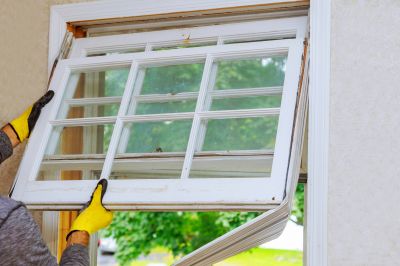
High-end options that actually feel worth it for Storm Restorations.
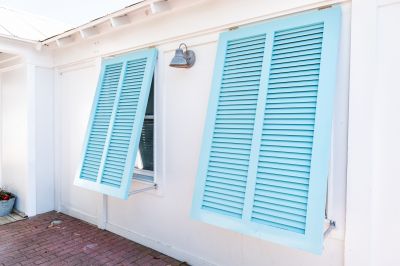
Finishes and colors that play nicely with Storm Restorations.
| Season | Typical Weather Conditions |
|---|---|
| Spring | Mild temperatures, less frequent storms |
| Summer | Higher storm activity, warmer weather |
| Fall | Stable weather, fewer storms |
| Winter | Possible snow and ice, less common for storm damage |
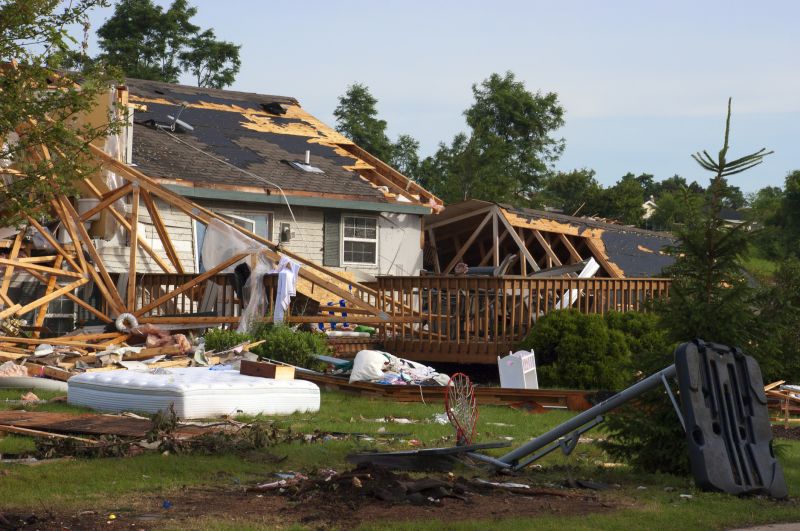
Restoring roofs and exteriors affected by storms.

Addressing dents and cracks caused by hailstones.
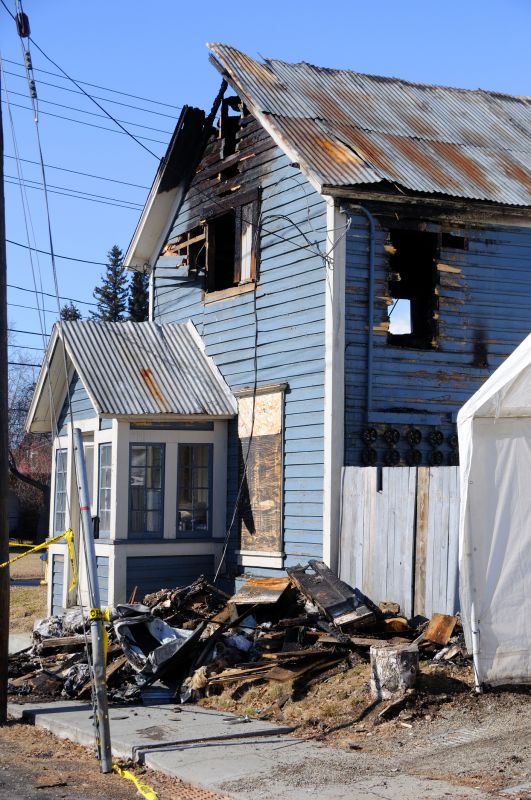
Repairing structural damages from high winds.
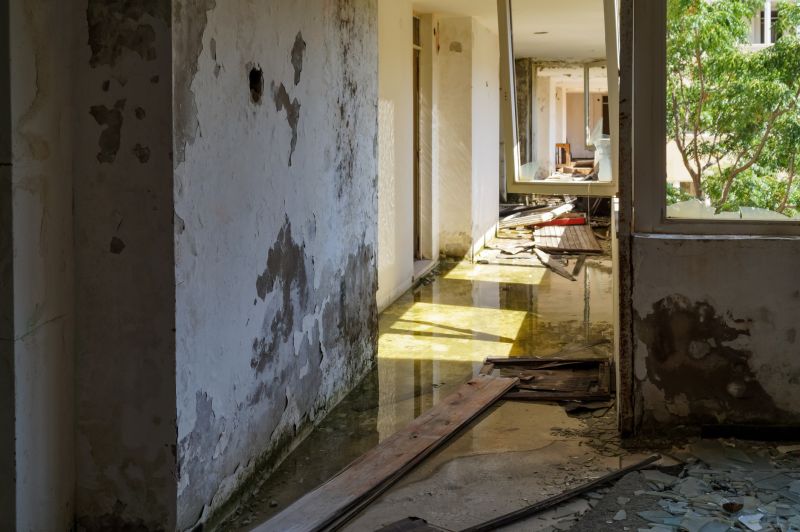
Removing water intrusion and repairing affected areas.

Little measurements that prevent headaches on Storm Restorations day.
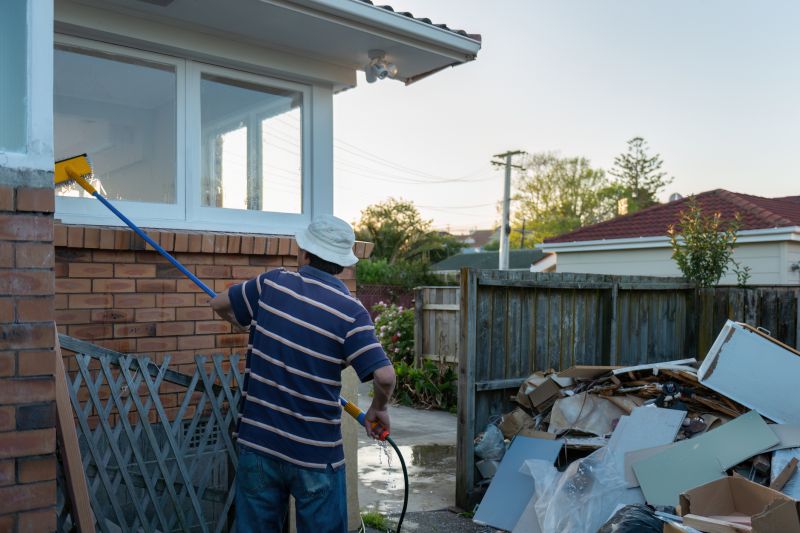
A 60-second routine that keeps Storm Restorations looking new.
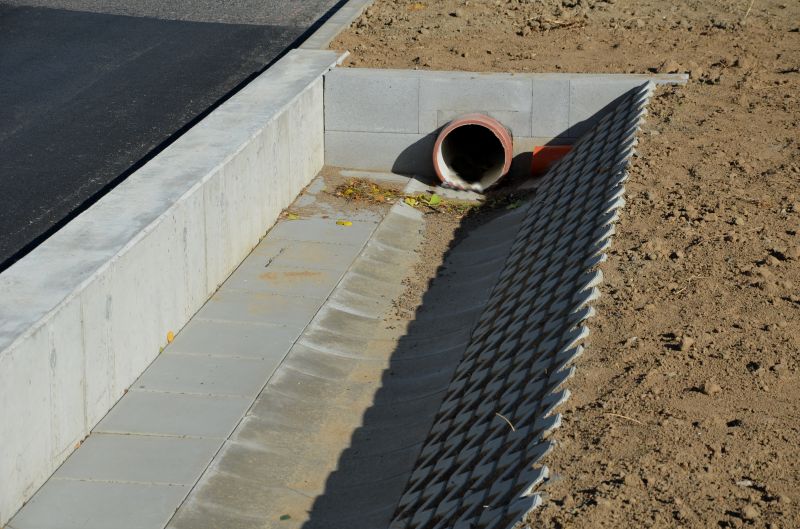
A frequent mistake in Storm Restorations and how to dodge it.

Small tweaks to make Storm Restorations safer and easier to use.
Understanding the timing for storm restorations helps property owners plan effectively and minimize disruption. Engaging restoration services as soon as safely possible after a storm ensures damage is addressed before it worsens. Proper timing also allows for better resource allocation and scheduling, leading to more efficient repairs.
Fill out the contact form to discuss restoration options and schedule assessments.